525 Mill St, Neustadt ON
1-877-509-2847
Proudly serving Southwestern Ontario since 2007


Cockroaches
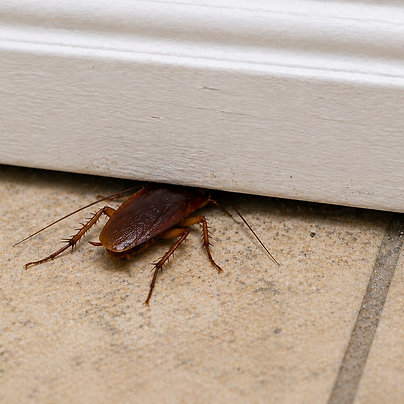
Cockroaches are one of the most unwelcome pests a property owner can face. While many people associate them with warmer climates, several cockroach species can still be found in Ontario, especially in heated homes, apartment buildings, restaurants, food-handling areas, basements, and other indoor spaces. Some species are far more likely to cause an indoor infestation than others, so proper identification is important.
For Ontario homes and businesses, the German cockroach is usually the biggest concern. Other species, including American cockroaches, Oriental cockroaches, Brown-Banded cockroaches, and Wood cockroaches, may also be encountered, but their habits and risks can be very different.
For Ontario homes and businesses, the German cockroach is usually the biggest concern. Other species, including American cockroaches, Oriental cockroaches, Brown-Banded cockroaches, and Wood cockroaches, may also be encountered, but their habits and risks can be very different.
Why Cockroaches Are a Concern
Cockroaches are more than just unpleasant to see. They can contaminate food, surfaces, dishes, and food preparation areas as they move through kitchens, storage spaces, and hidden voids. Their droppings, shed skins, and body parts can also contribute to poor indoor hygiene and trigger allergy and asthma issues for some people.
Because cockroaches are nocturnal and prefer to stay hidden, an infestation may already be well established before you start seeing them regularly. Spotting even a few in the open, especially during the day, can be a sign that the population is growing.

Common Cockroach Species in Ontario
German Cockroach
Blattella germanica
The German cockroach is the most common indoor cockroach pest in Ontario and the one most likely to infest homes, apartments, restaurants, break rooms, and commercial kitchens.
German cockroaches are small, light brown to tan, and usually have two dark stripes behind the head. They prefer warm, humid areas close to food and moisture, which is why they are often found in kitchens, bathrooms, laundry rooms, under sinks, behind appliances, and inside cabinets.
Because they reproduce quickly and hide in tight cracks and crevices, German cockroaches are often the most difficult species for property owners to control on their own.

American Cockroach
Periplaneta americana
American cockroaches are much larger than German cockroaches and are reddish brown in colour. Although they are not usually the most common cockroach species in Ontario homes, they can still be found in basements, drains, boiler rooms, mechanical rooms, and other warm, damp areas.
This species is more commonly associated with larger buildings and commercial settings, but it can still show up in residential properties, especially where there is moisture, warmth, and access from utility areas or sewer connections.

Oriental Cockroach
Blatta orientalis
Oriental cockroaches are dark brown to almost black and tend to prefer cooler, damp environments. In Ontario, they are often associated with basements, crawl spaces, floor drains, sump areas, and plumbing voids.
They do not move as quickly as some other species, but they can still become a serious issue when moisture problems are present. If you are seeing dark, shiny roaches in low, damp areas of a building, Oriental cockroaches may be the cause.

Brown-Banded Cockroach
Supella longipalpa
Brown-Banded cockroaches are smaller and are known for the lighter bands across their wings and body. Unlike some other species, they are more likely to be found in warmer, drier areas.
They may hide in furniture, cabinets, closets, electronics, wall hangings, and upper areas of rooms, rather than staying close to sinks and drains. Because of this, they can be overlooked or mistaken for another pest until the infestation spreads.

Wood Cockroach
Parcoblatta spp.
Wood cockroaches are different from the common indoor pest species. In Ontario, they are usually associated with outdoor areas, including rotting wood, leaf litter, wood piles, mulch, logs, and stumps.
A wood cockroach may occasionally wander indoors, especially near cottages, rural properties, or homes that store firewood nearby. However, they typically do not establish a long-term indoor infestation the way German cockroaches do. This makes identification especially important, because not every roach sighting means the same level of problem.

Signs of a Cockroach Infestation
Cockroaches are good at staying out of sight, but there are several warning signs that may point to an infestation:
-
Live cockroaches, especially at night
-
Cockroaches seen during the day
-
Small droppings that resemble pepper or coffee grounds
-
Shed skins or egg capsules
-
A musty, unpleasant odour in heavily infested areas
-
Activity around sinks, cabinets, appliances, drains, or food storage areas
If you are seeing repeated activity, there is a good chance more cockroaches are hiding nearby.

Where Cockroaches Hide
Cockroaches prefer dark, protected areas with easy access to food, moisture, and shelter. In Ontario homes and businesses, common hiding spots include:
-
Behind refrigerators, stoves, and dishwashers
-
Under sinks and around plumbing lines
-
Inside cabinets and pantry spaces
-
Behind baseboards and wall voids
-
Around drains and sump areas
-
In basements, crawl spaces, and utility rooms
-
Inside cluttered storage areas
-
In furniture or electronics, depending on the species
Their ability to squeeze into tiny spaces is one reason infestations can continue unnoticed for so long.
Why DIY Cockroach Control Often Fails
Cockroach control is rarely as simple as spraying the insects you can see. Most of the population is usually hidden in inaccessible areas, and the wrong treatment approach can scatter them deeper into the structure instead of eliminating the source.
DIY treatments often fail because:
-
The species has not been identified properly
-
Only visible cockroaches are treated
-
Nesting and harbourage areas are missed
-
Food and moisture sources remain available
-
Store-bought products are used incorrectly or inconsistently
-
Egg capsules and developing young are left behind
Successful cockroach control usually depends on finding where they are hiding, reducing conditions that support them, and using the right treatment plan for the species involved.
How tO Keep Cockroaches Away
While prevention does not guarantee cockroaches will never appear, it can make your property less attractive to them.
Helpful prevention steps include:
-
Clean up crumbs, grease, and food residue promptly
-
Store food in sealed containers
-
Do not leave pet food out overnight
-
Fix leaks and reduce excess moisture
-
Keep sinks and counters dry when possible
-
Seal cracks and gaps around plumbing and walls
-
Reduce clutter in kitchens, basements, and storage areas
-
Inspect boxes, used furniture, and appliances before bringing them inside
-
Store firewood away from the home
For multi-unit buildings and commercial spaces, consistent sanitation and fast response are especially important.
When to call Rural Routes
If you are seeing repeated cockroach activity, finding droppings or egg capsules, or suspect the infestation is spreading, professional treatment is often the most effective next step. Rural Routes Pest Control can do an inspection to confirm activity, and provide treatment to eliminate cockroaches.
for more information about our cockroach treatment service.